THE IDEA
A string for every point
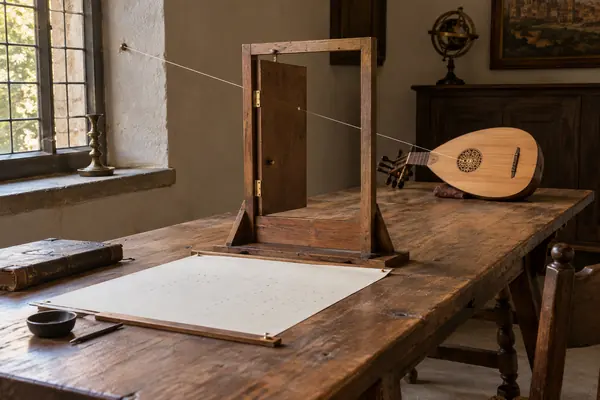
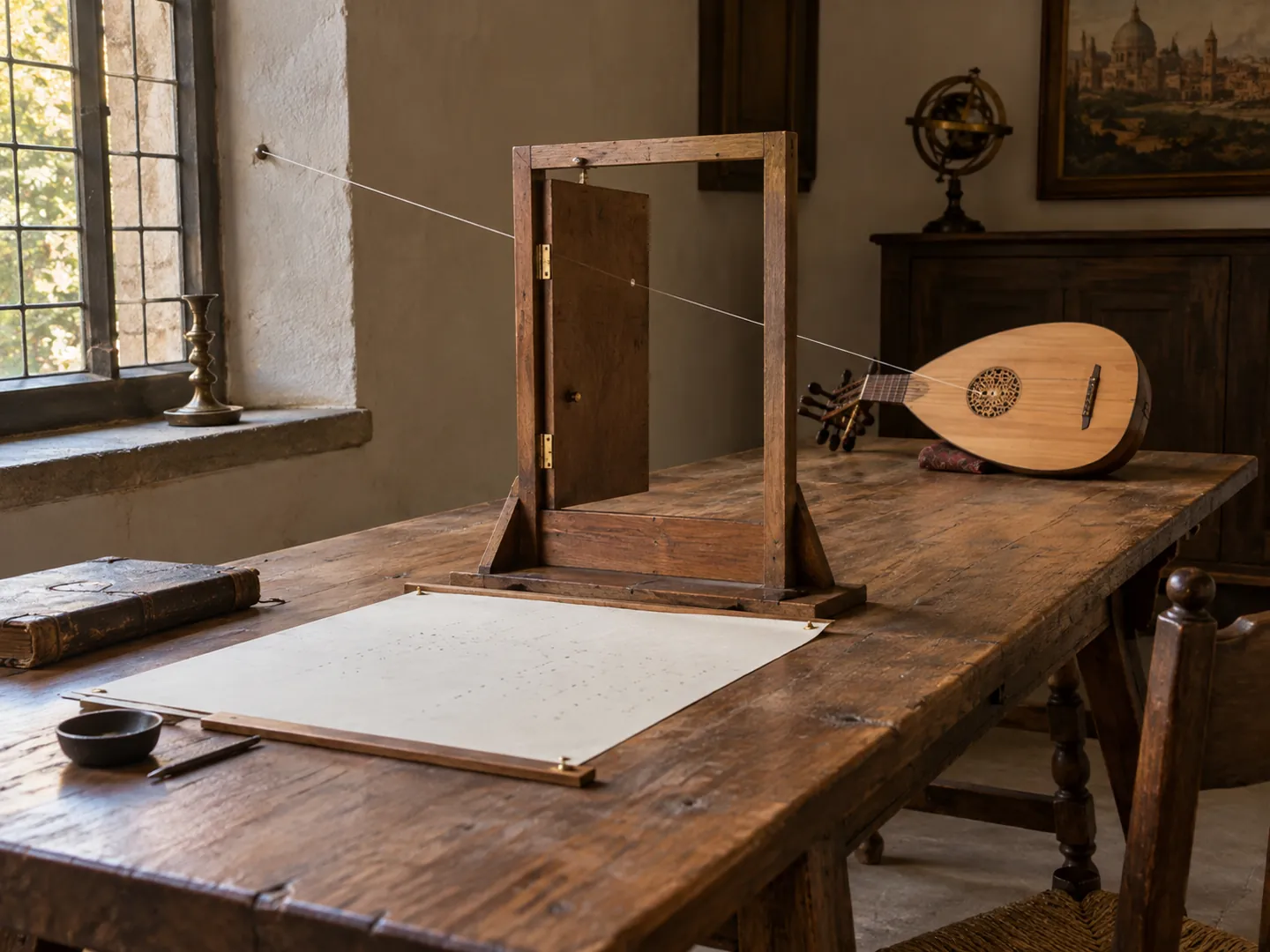
Dürer's 1525 manual shows a draughtsman using a strong thread from a point on the wall to a lute, marking where it crosses a frame.
Meet the rays doodletracing
HOW COMPUTERS DRAW LIGHT
Every pixel asks one question: what would I see?
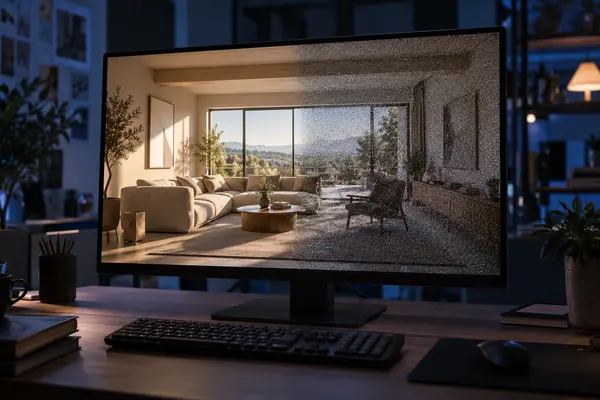
Ray tracing follows the path of light through a scene as it bounces off objects. The idea is old: a 1525 woodcut shows an artist plotting a lute point by point with a taut string. Computers now do the same, over and over, for every pixel.
ONE RAY per question
Meet the raysTHE SHORT ANSWER
Light in the real world travels from lamps to eyes.
A ray tracer usually runs the journey in reverse.
THE IDEA
Dürer's 1525 manual shows a draughtsman using a strong thread from a point on the wall to a lute, marking where it crosses a frame.
Meet the raysTHE METHOD
Most renderers send viewing rays from the camera into the scene to find what is visible at each pixel, then check the light at that point.
Step by stepTHE COST
In 1986, path tracing a picture of two spheres took 7 hours on a computer that cost roughly $280,000 when new.
See the numbers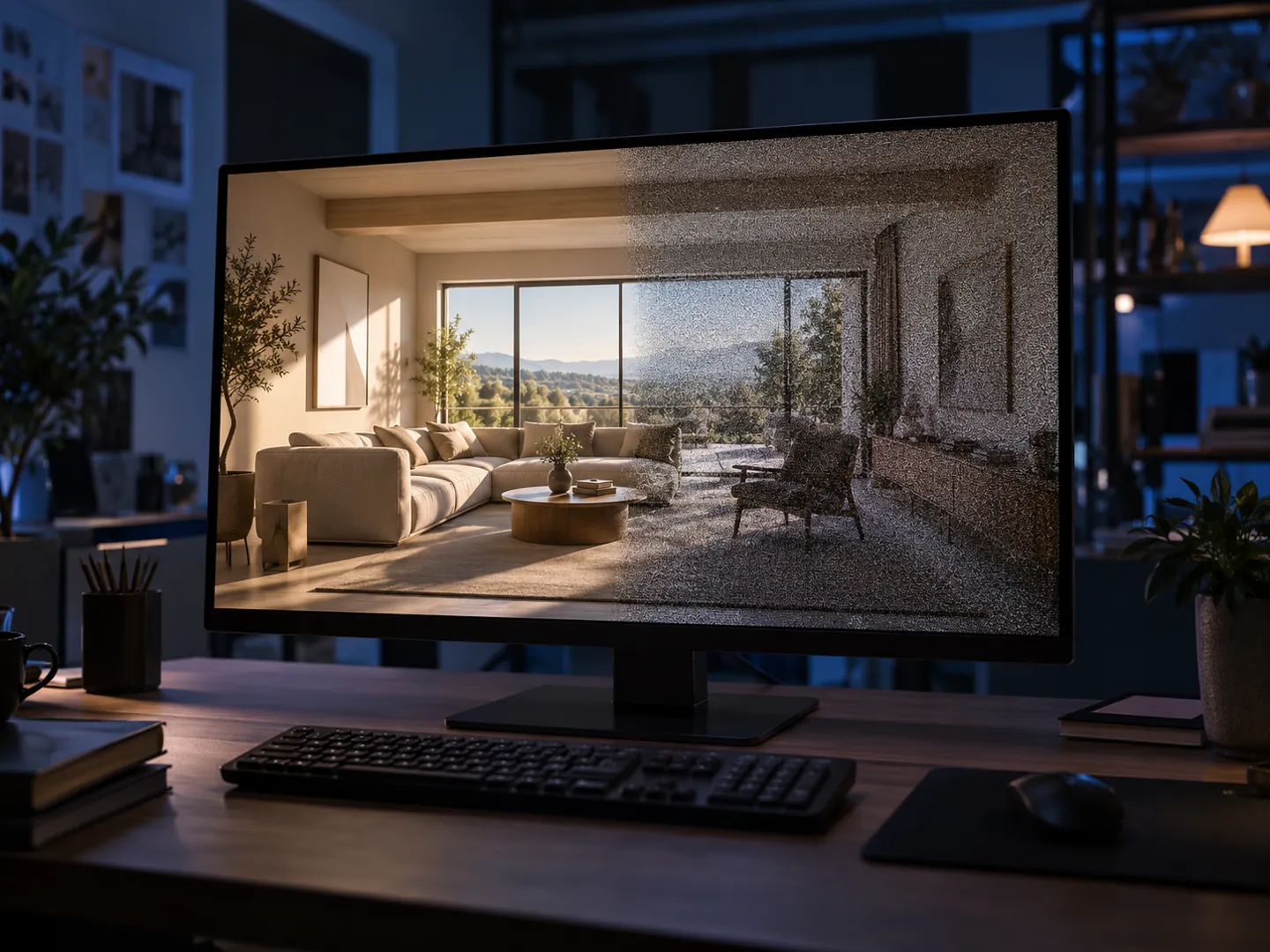
HOW A RAY TRACER WORKS
Every ray tracer simulates at least cameras, ray and object intersections, light sources, visibility and how light scatters at surfaces. In outline, each pixel goes through these steps.
Send a ray from the eye through the pixel, as if the screen were the film of a pinhole camera.
Work out where the ray meets each object and keep the closest, with its surface direction and material.
Send a shadow ray towards every light. A light counts only if nothing blocks the path.
For mirrors and glass, trace a reflected or transmitted ray and add what it finds.
TWO NUMBERS WORTH KNOWING
Tracing rays has always taken patience,
whether with string or with silicon.
7 hours
To render two spheres in 1986
When Kajiya introduced path tracing in 1986, an image of two spheres took 7 hours on an IBM 4341, a computer that cost roughly $280,000 when first released.
PATH TRACING · PBR BOOK
2 people
People needed to plot each point
When the University of Melbourne's print collection rebuilt Dürer's lute device, each point needed at least two people to plot, and the slightest movement spoiled the drawing.
DÜRER'S DEVICE · UNIV. OF MELBOURNE
The Physically Based Rendering authors quote Blinn's law: as technology advances, rendering time remains constant, because artists use extra computing power for more complex scenes.
MEET THE RAYS
Pick a kind of ray to see what it is for. The bar shows how far along the process it is traced, from the first ray out of the camera to rays that bounce on.
Based on Physically Based Rendering (pbr-book.org) and Scratchapixel's introduction to ray tracing.
WHY NOT START AT THE LAMP?
In nature, light travels from a source and scatters in all directions, and only a tiny fraction of it reaches an eye. Simulating light from the lamp forwards would mean tracing an astronomical number of rays to fill every pixel.
So a ray tracer usually starts at the eye and works back towards the light. Path tracing, introduced in 1986, follows these paths further, bounce by bounce, to capture soft, indirect light.
Questions
A way of making images by following the path of rays of light through a scene as they hit and bounce off objects. The Physically Based Rendering book calls it conceptually a simple algorithm.
Scratchapixel explains that of all the light leaving a lamp, only a tiny fraction reaches the eye. Starting from the eye means only the rays that matter for the picture are traced.
A ray sent from a point on a surface towards a light. If another object blocks it, the point is in shadow from that light.
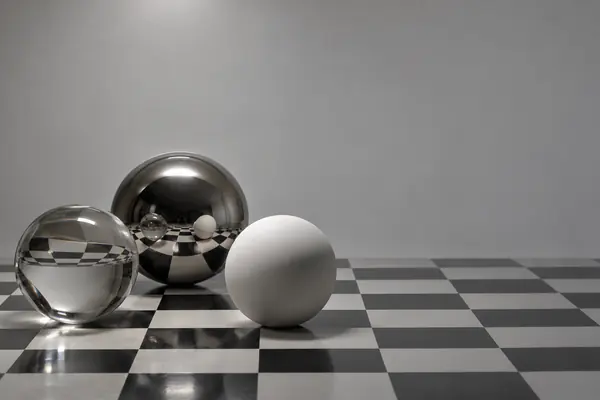
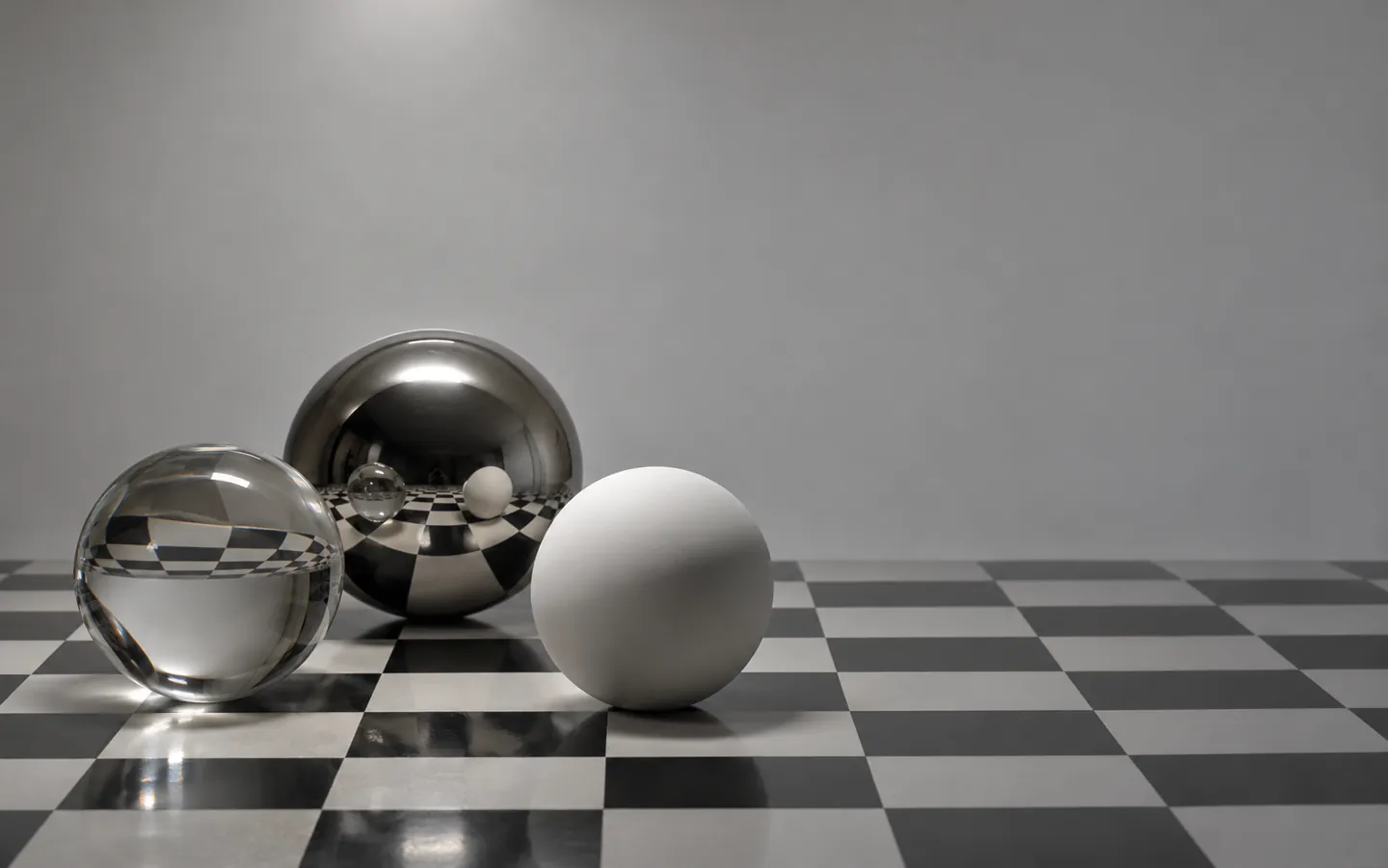
The PBR book says Turner Whitted's 1980 paper introduced ray tracing for global lighting effects, producing images unlike any seen before, often of mirrors and glass balls.
His 1525 manual on measurement includes a woodcut of a draughtsman plotting a lute with a taut thread from a point on the wall, recording where it crosses a frame, one point at a time.
Updated
ABOUT THIS NAME
doodletracing.com is part of the DoodleSale portfolio. It isn't in an auction right now, but you can ask about leasing it.